Originally reported November 5, 2026, at 12:27 p.m. UTC+8.
The Digital Chamber called Sherrod Brown’s November 3 victory in Ohio’s US Senate special election the “most consequential unfavorable result for crypto.” Brown, a longtime crypto skeptic, defeated Republican Jon Husted. According to the industry group, crypto political action committees spent more than $63 million supporting Husted against Brown.
The group said Brown’s priorities—financial stability, consumer protection, banking oversight and illicit finance—could shape the Democratic caucus’s broader approach to cryptocurrency. It urged the industry to engage substantively on consumer protections and accountability.
A changed congressional outlook
Democrats were set to control both chambers of Congress following the November 3 elections. At the time of the report, the Senate stood at 54 Democrats and 44 Republicans, with two races uncalled; Democrats held 240 House seats, with 48 races uncalled, according to AP.
The Digital Chamber said the results could shift the policy debate toward the protections, accountability and economic benefits that should accompany technological innovation. Democratic committee chairs would also have subpoena power to investigate regulators, crypto exchanges, AI developers and data-center development, it noted.
What it could mean for the Clarity Act
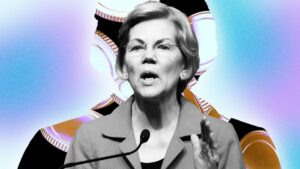
The group identified Elizabeth Warren as the clear favorite to chair the Senate Banking Committee and described the committee as the largest potential obstacle to the Clarity Act and other crypto market-structure frameworks. The Clarity Act had failed a Senate procedural vote in September. The group did not say comprehensive legislation was permanently ruled out: it pointed to possible work on tax reporting, custody, stablecoin implementation and segregation of customer assets, while arguing that the industry would need to work with moderate Democrats.
The Digital Chamber also identified potential Democratic counterparts. It described Texas winner James Talarico as supportive of clear crypto rules, alongside an AI-accountability agenda that includes an AI dividend and requiring data centers to cover infrastructure costs. It said Iowa Senate winner Josh Turek supports market-structure legislation, self-custody rights and ending improper debanking. It also cited reelected Virginia Senator Mark Warner’s seats on the Banking Committee and Digital Assets Subcommittee as reasons he could serve as a bridge on digital-asset issues.
Source: theblock.co (originally published 2026-11-05 12:27 UTC+8)