Originally reported by ChainCatcher on November 11, 2026, at 22:30 China Standard Time.
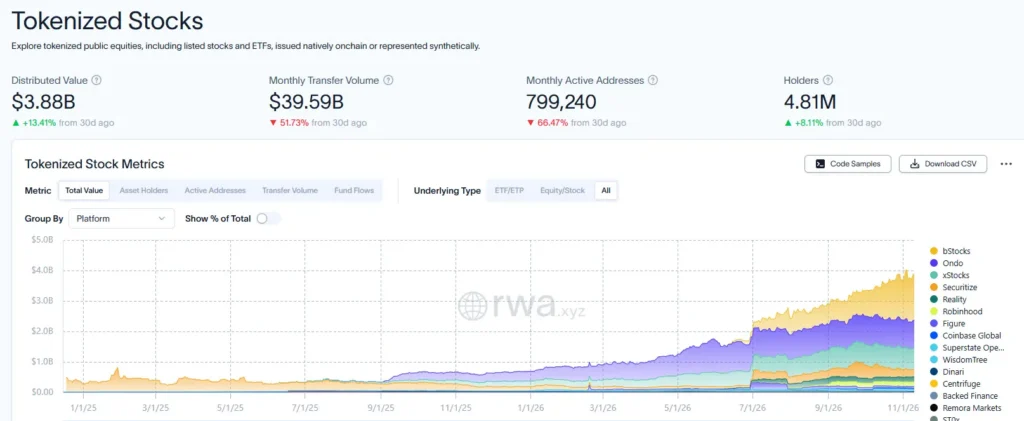
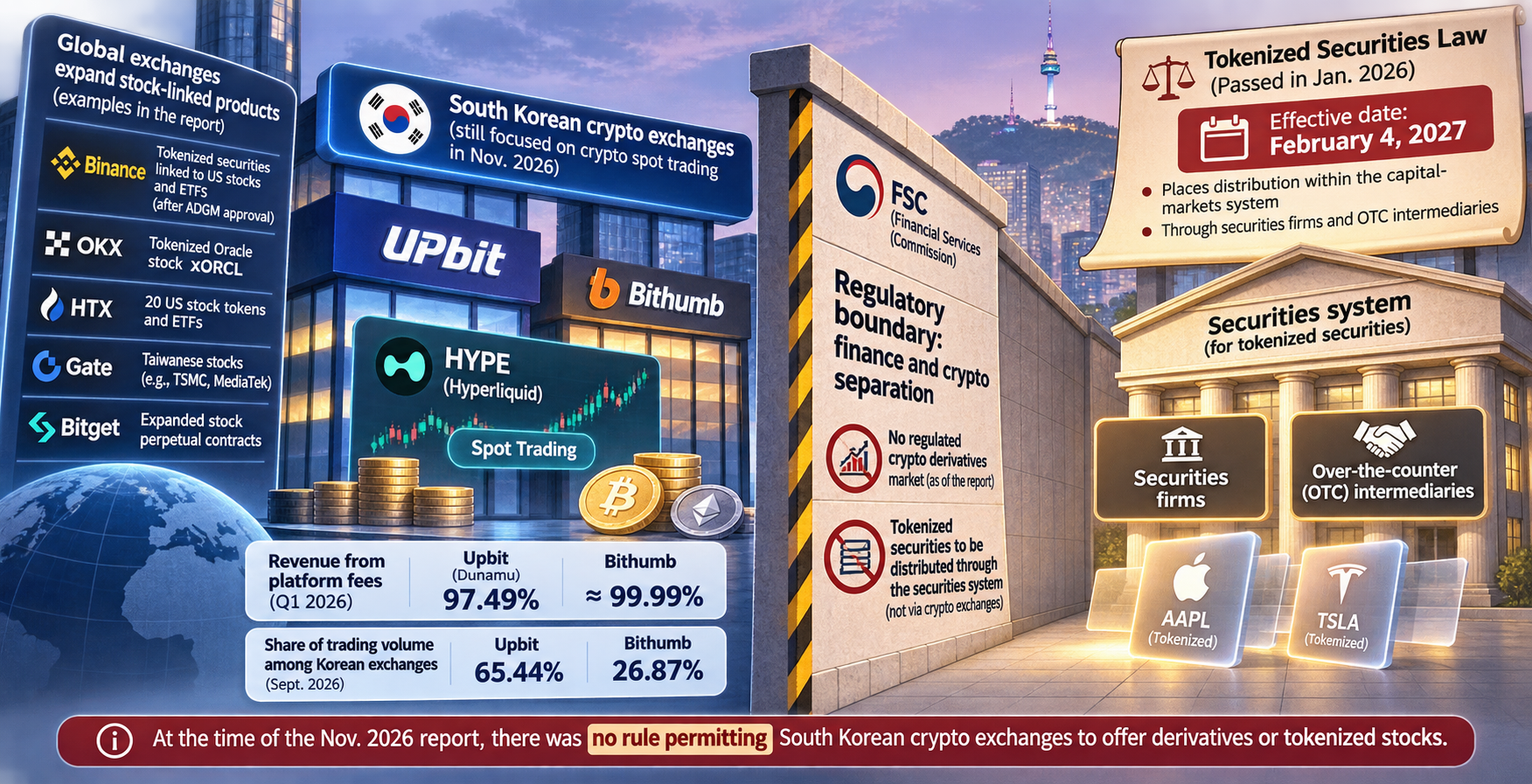
On November 10, South Korea’s Upbit opened trading in HYPE, Hyperliquid’s native token, and Bithumb listed it the same day. Their listings illustrate a contrast ChainCatcher documented in its November 2026 report: while several international crypto exchanges were adding tokenized stocks or stock-linked products, South Korea’s major exchanges remained focused on crypto spot trading.
Different products, different regulatory paths
ChainCatcher reported that OKX listed a tokenized Oracle stock product, xORCL, on November 10. In the preceding week, HTX listed 20 US stock tokens and ETFs; Gate added trading tied to Taiwanese stocks including TSMC and MediaTek; and Bitget expanded its stock perpetual-contract offerings. The article said Binance had also begun listing tokenized securities linked to US stocks and ETFs after the Abu Dhabi Global Market Financial Services Regulatory Authority approved the issuer’s prospectus.
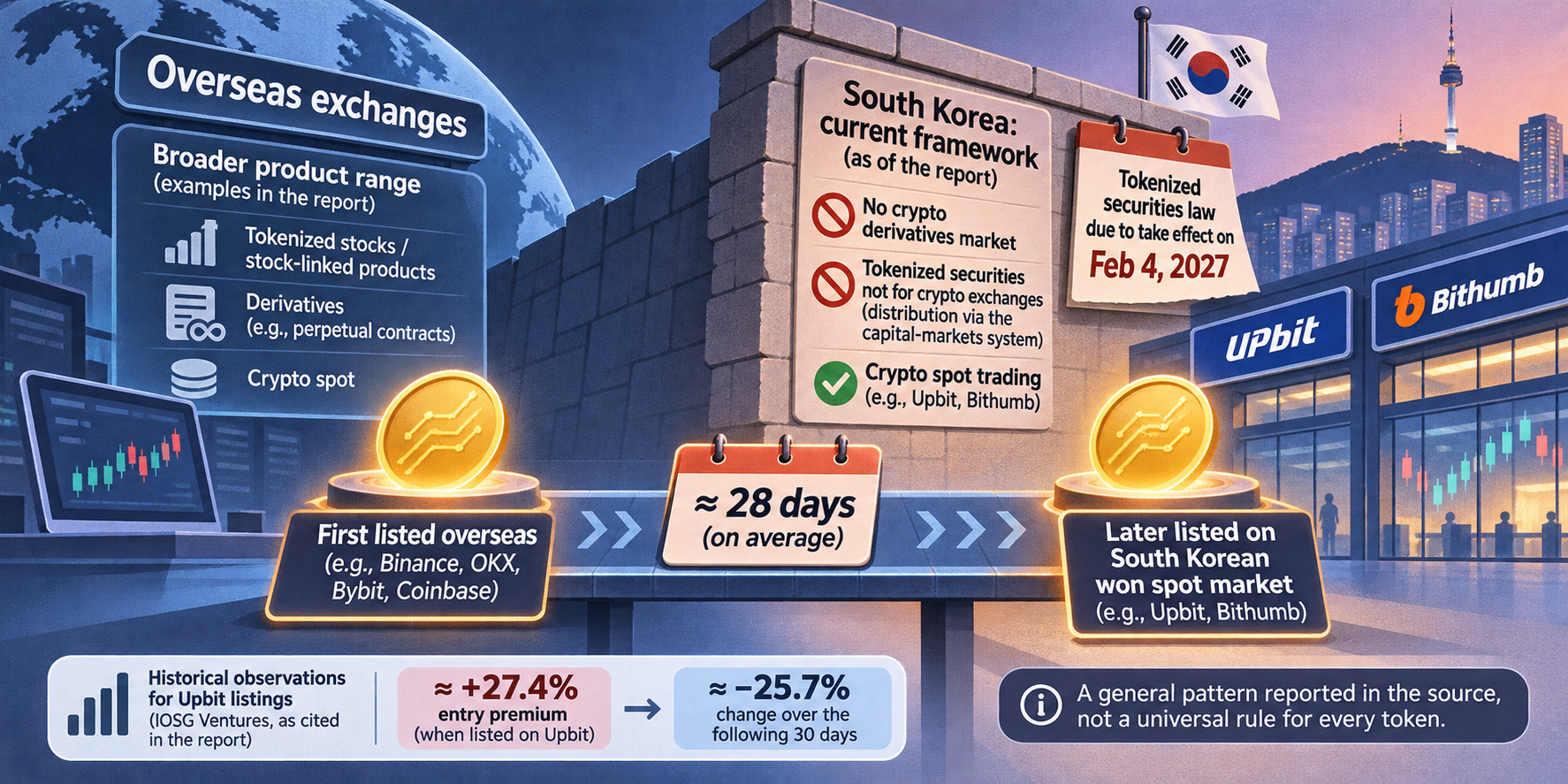
South Korean exchanges operate under a different framework. In 2017, the Financial Services Commission issued administrative guidance restricting financial institutions from holding and dealing in crypto assets. South Korea had not established a regulated domestic market for crypto derivatives as of the original report. Legislation on tokenized securities passed in January 2026 places their distribution within the capital-markets system, through securities firms and over-the-counter intermediaries; it is due to take effect on February 4, 2027. Its passage did not, by itself, open a tokenized-stock listing route for crypto exchanges.
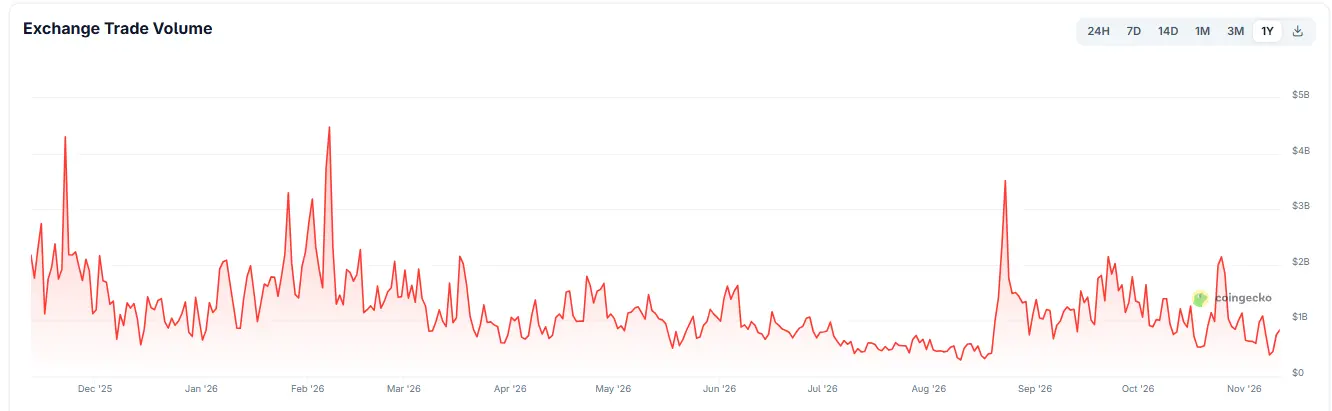
That leaves spot-trading fees particularly important. According to South Korean Financial Supervisory Service disclosures cited by ChainCatcher, platform fees accounted for 97.49% of Upbit operator Dunamu’s first-quarter 2026 revenue and nearly 99.99% of Bithumb’s. CoinGecko data cited in the report put Upbit’s share of trading volume among South Korean exchanges at 65.44% in September, against Bithumb’s 26.87%.
More listings, often later in a token’s life
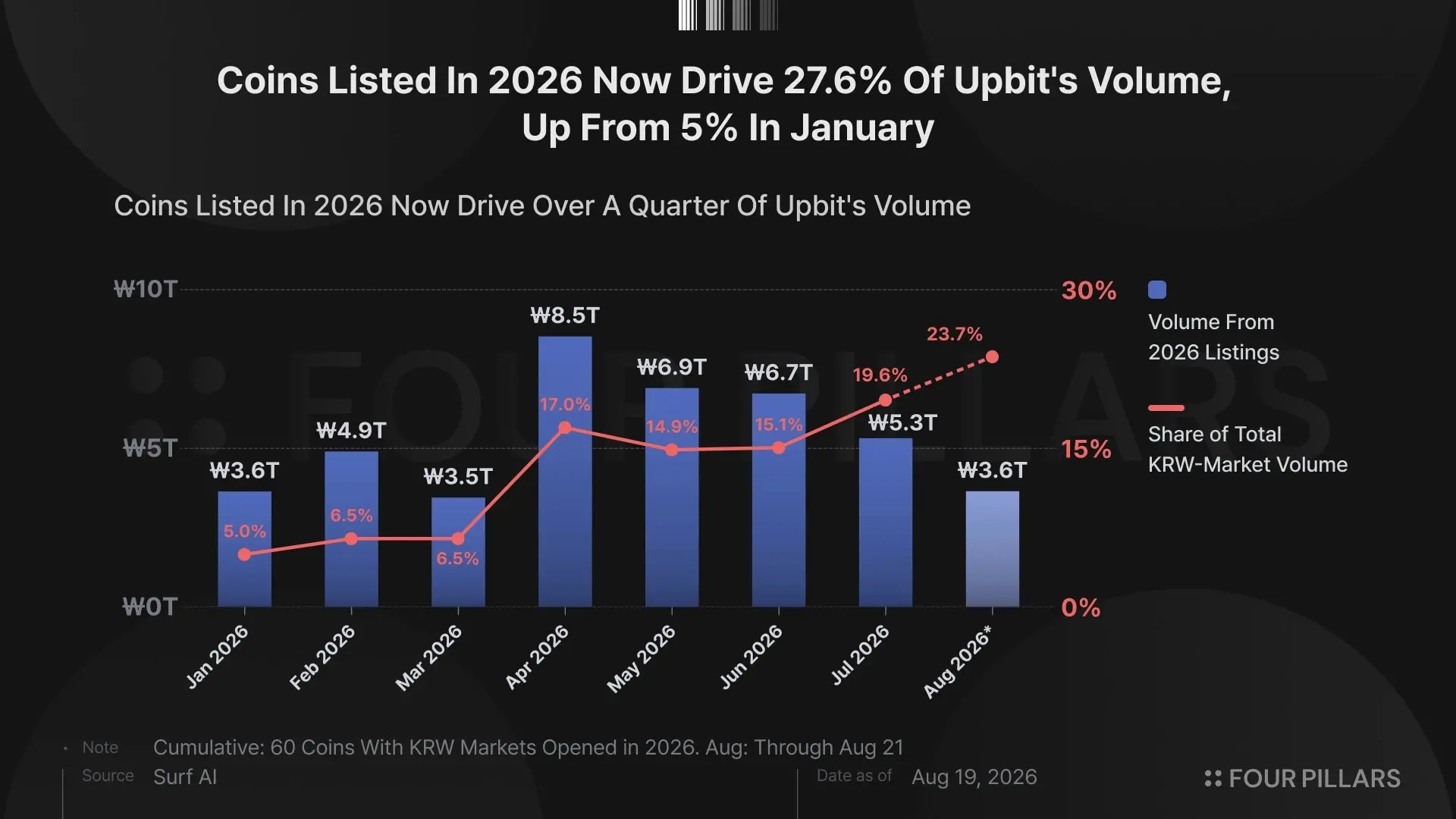
ChainCatcher counted 39 crypto-asset listings announced by Upbit from early August to the reporting date, compared with 29 at Bithumb and four at Binance. Its Binance count included PREDICT, whose opening was subsequently postponed. Separately, South Korean outlet Today Economy counted 59 new Upbit won trading pairs by mid-August 2026, matching the 59 it recorded for all of 2025.
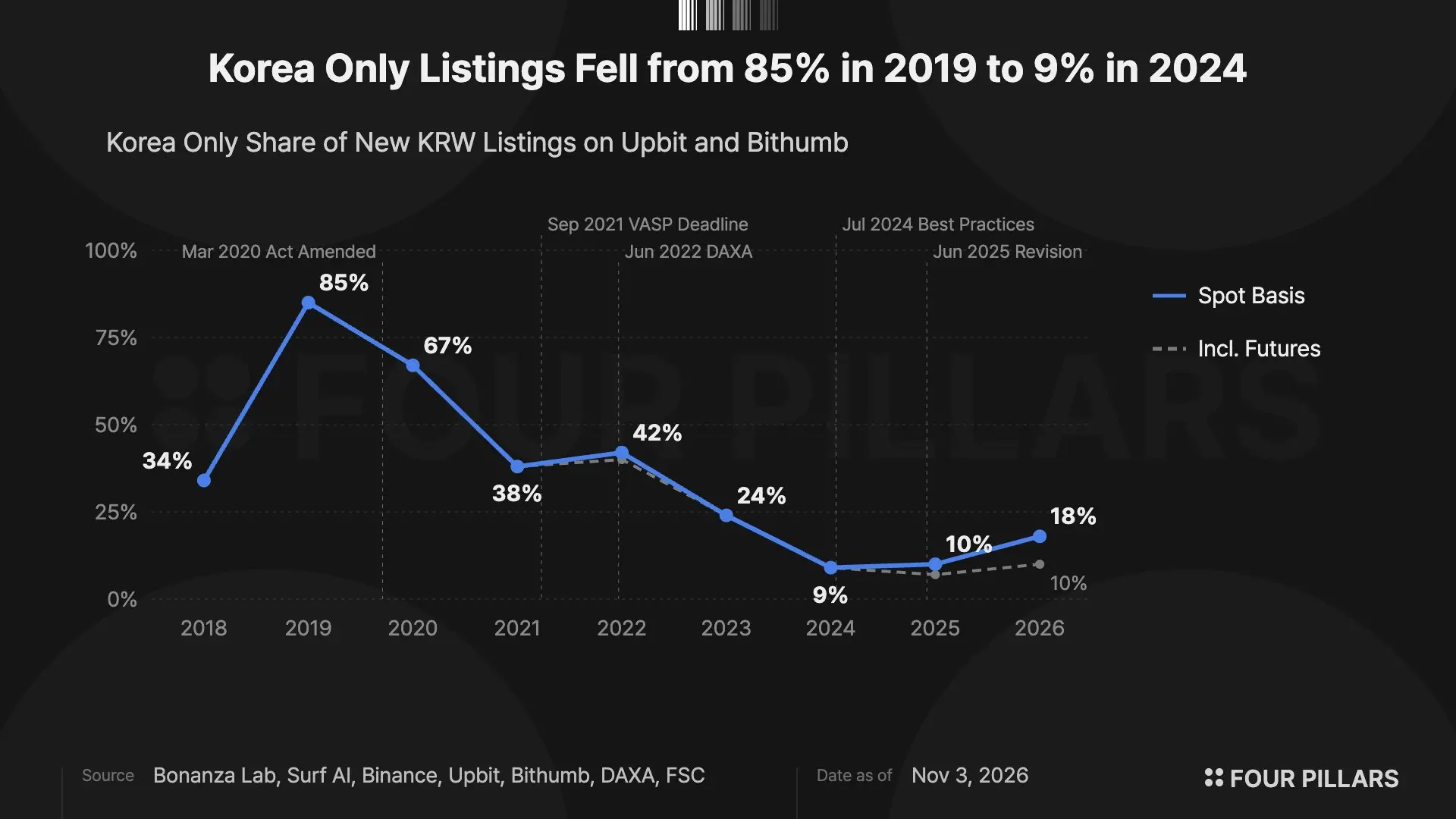
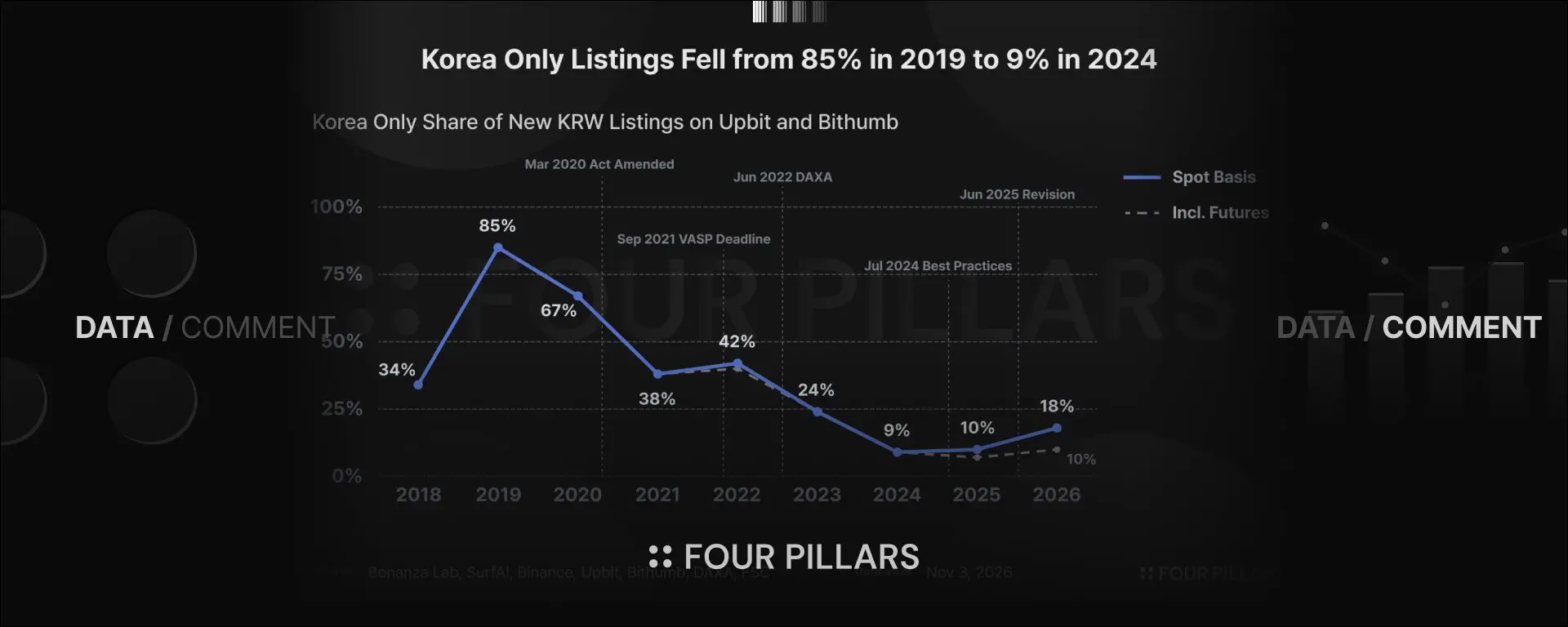
More listings do not necessarily mean earlier access. Researcher tranks of Four Pillars found that the share of new Upbit and Bithumb won-market listings that preceded spot listings on Binance, OKX, Bybit and Coinbase fell from 85% in 2019 to 9% in 2024. The figure recovered to 18% in 2026, but was 10% when assets previously traded on overseas derivatives markets were also excluded. South Korea’s revised financial-information law introduced exchange registration and anti-money-laundering obligations, while the five won-market exchanges later formed DAXA and developed common listing-review standards.
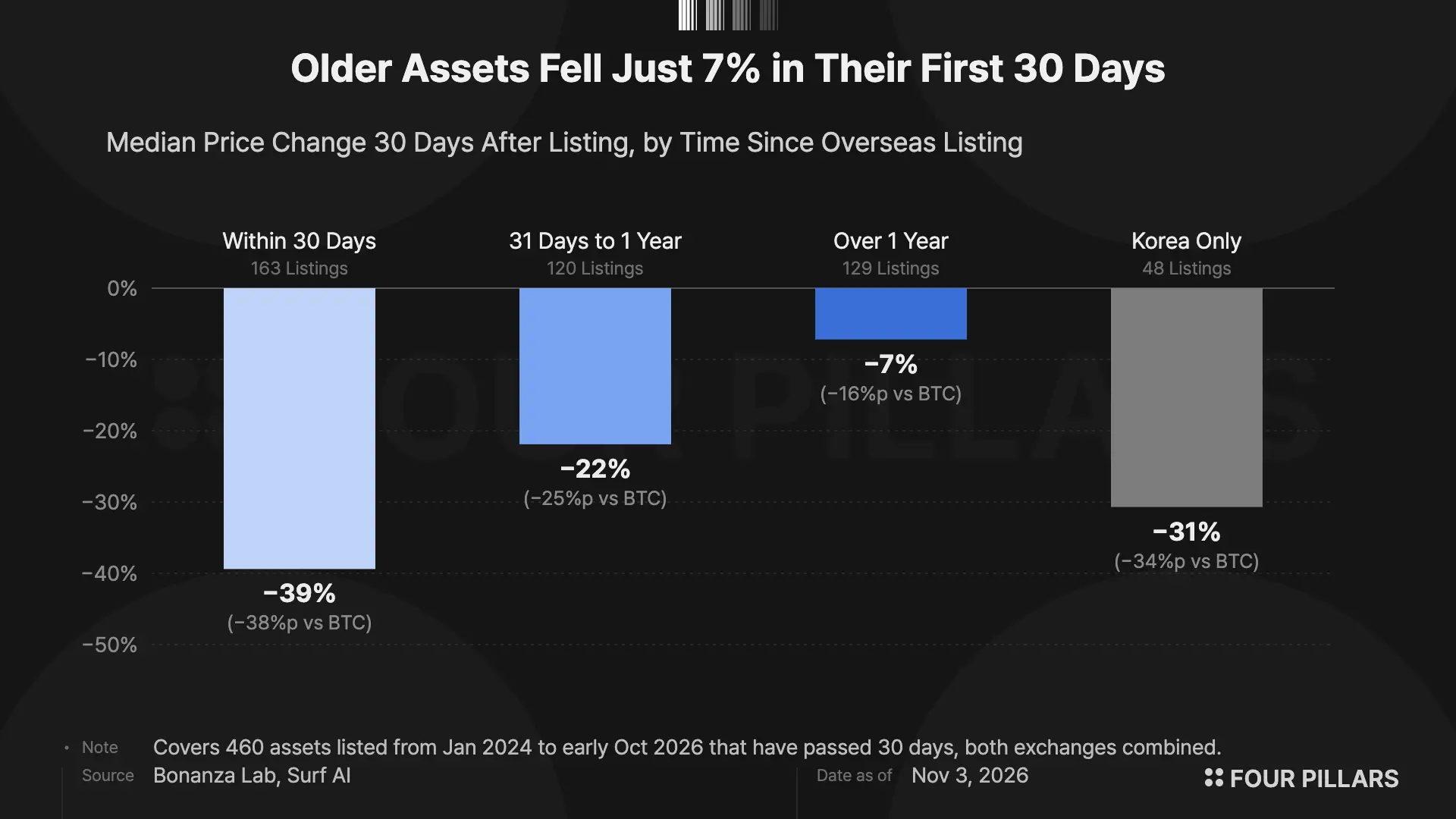
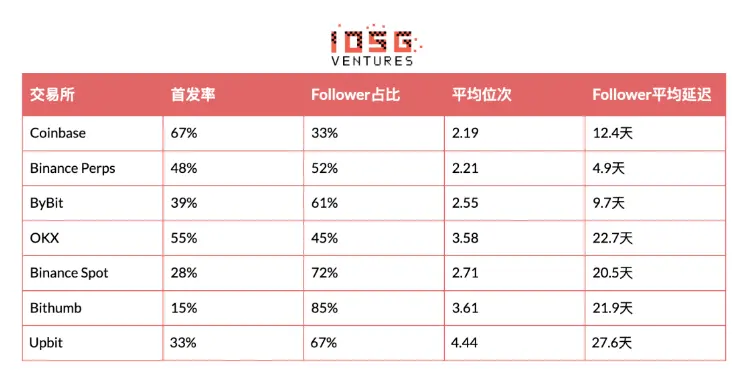
The timing can matter to buyers. IOSG Ventures estimated that Upbit listed tokens an average of about 28 days after their first exchange listing. Its data also showed a 27.4% entry premium when tokens reached Upbit and a 25.7% decline over the following 30 days. Those are reported historical observations, not a forecast for any particular asset.
A possible change, not an enacted opening
At a November 10 digital-asset policy meeting in Seoul, Dunamu vice chairman Kim Hyeong-nyeon expressed frustration that tokenized trading in major South Korean stocks was taking place on overseas exchanges. The Financial Services Commission chair had said the authorities would examine whether, and to what extent, to relax the separation between finance and crypto while considering a Digital Asset Basic Act. Ruling-party lawmaker Min Byung-deok advocated broader institutional and corporate investment in virtual assets and called for the bill to pass by January 18, 2027.
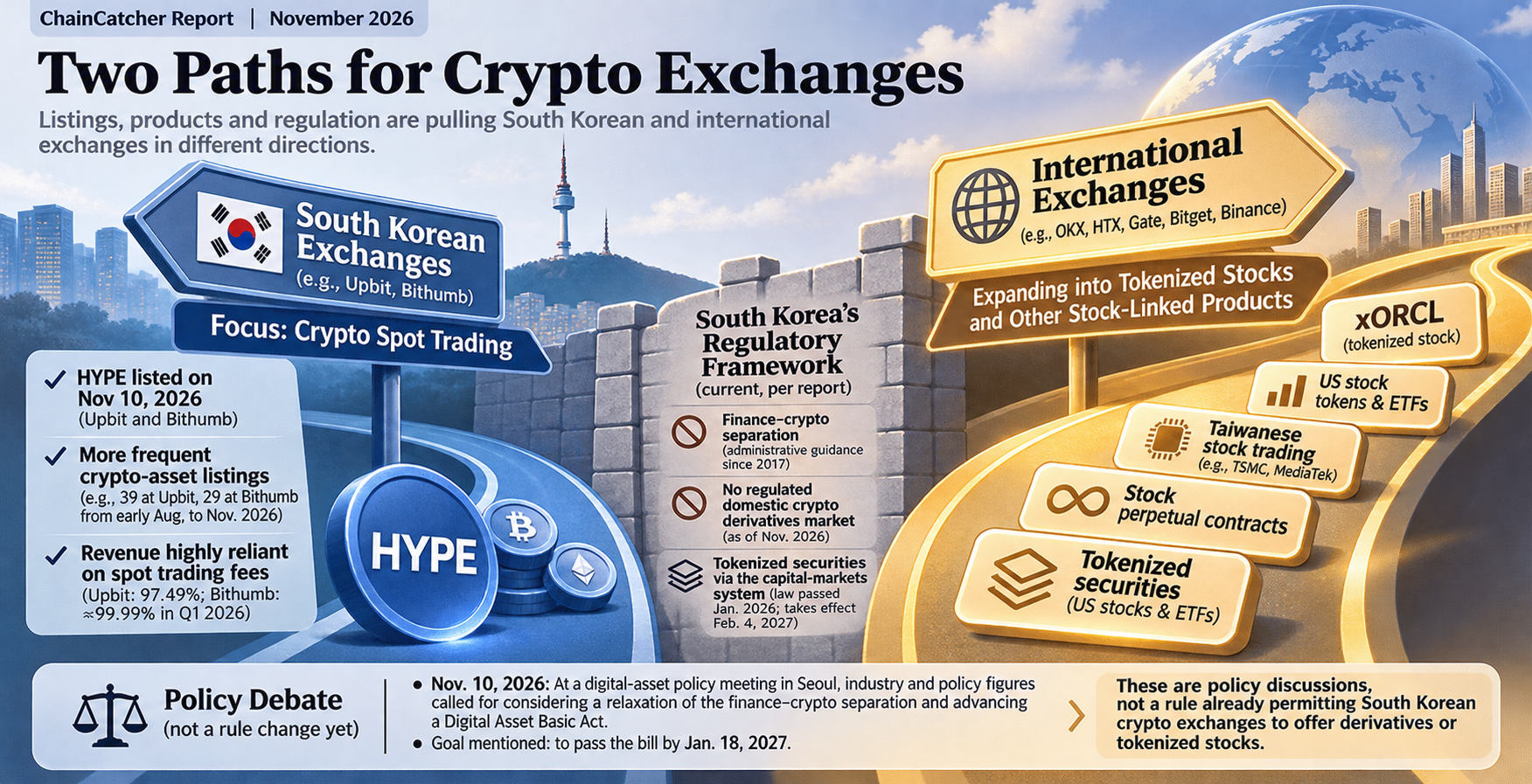
Those remarks signaled policy debate, not a rule already permitting South Korean crypto exchanges to offer derivatives or tokenized stocks. At the time of ChainCatcher’s report, their reliance on spot listings remained the documented distinction.
Source: chaincatcher.com (originally published 2026-11-11 22:30 UTC+8)