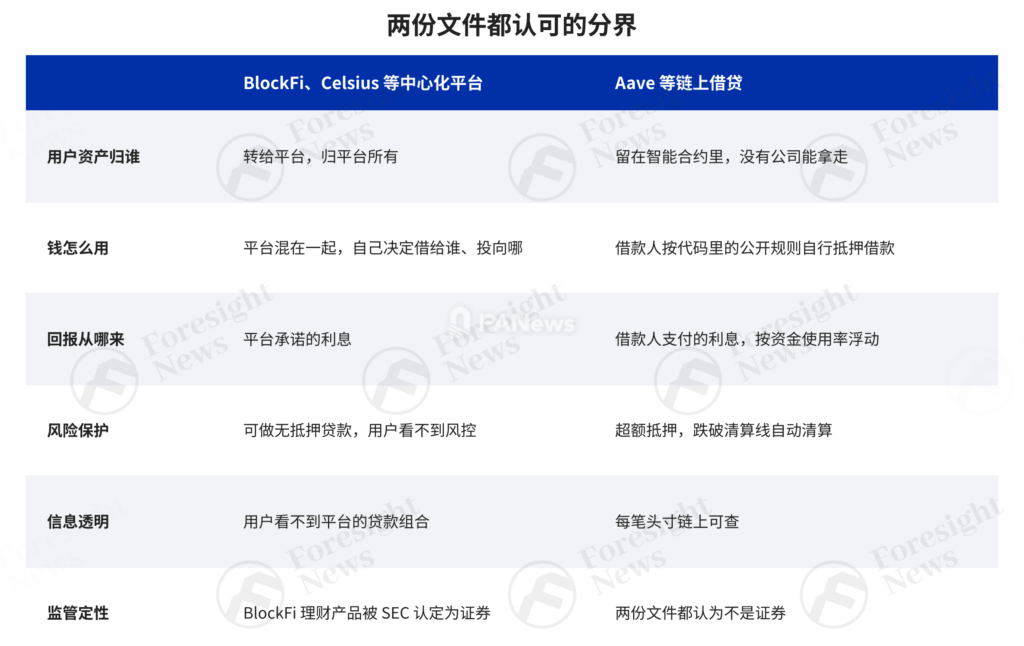
As reported on November 6, 2026, two industry submissions to the US Securities and Exchange Commission (SEC) agreed that ordinary overcollateralized onchain lending should not be treated as a securities transaction. They differed over a harder question: when does a vault that allocates users’ funds across lending markets become a security or an investment fund?
On November 2, Aave Labs, the Kamino Foundation and Veda Tech Labs made public a 16-page summary arguing that decentralized lending protocols and non-custodial vaults fall outside federal securities laws. They had submitted a more detailed confidential version to the SEC’s Crypto Task Force and Division of Corporation Finance on October 26 and requested a meeting with staff.
Their position followed Under Control, an approximately 238-page October report advanced by a vault coalition led by Morpho, Bitwise and Galaxy through the Crypto Council for Innovation (CCI). Both documents ask the SEC to clarify how existing law applies; neither is an SEC rule or decision.
Where the submissions agree
The documents distinguish onchain, overcollateralized lending from the centralized lending arrangements examined in cases involving BlockFi and Celsius. In 2022, the SEC determined that BlockFi’s interest accounts were securities; BlockFi agreed to pay $100 million to settle with the SEC and several states. After Celsius entered bankruptcy, a court held under its customer terms that the company owned assets deposited into certain accounts, leaving those customers as unsecured creditors.
In the onchain model described by the submissions, borrowers post collateral worth more than their loans, interest rates follow public formulas and positions can be checked onchain. Both groups argue that an ordinary loan structured this way is not a security. They take different legal routes to that conclusion: the Aave group disputes that a depositor receives a “note” under the Reves test, while CCI asks the SEC to recognize underlying lending positions as commercial loans and separately analyzes vault shares under the Howey investment-contract test.
The dividing line: discretion over a vault
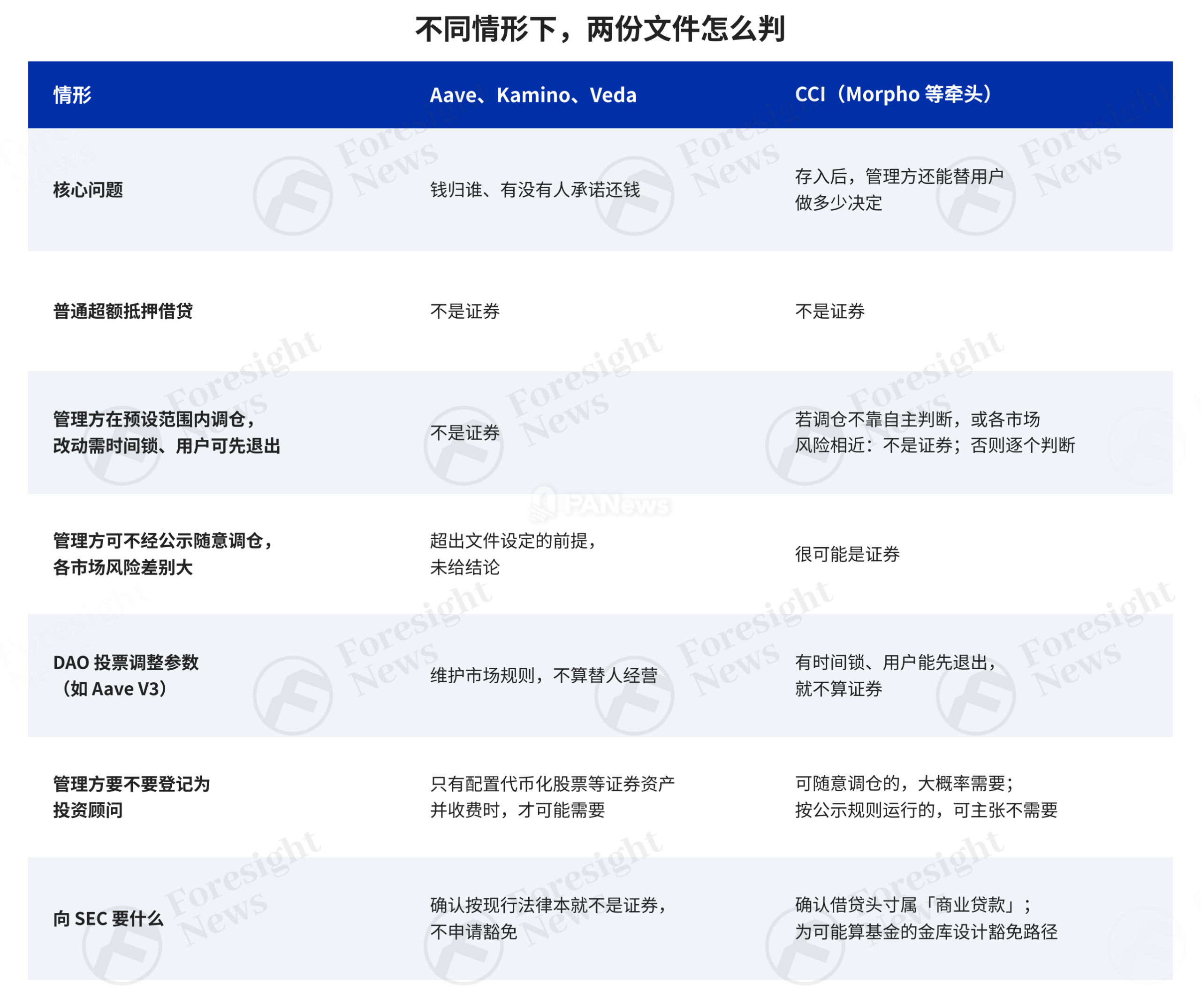
CCI focuses on how much a manager can do after users deposit funds. Its report proposes 10 conditions for a vault to avoid securities treatment. Among them: assets must remain within destinations allowed by code; redemptions must not depend on a manager’s cooperation; holdings and user shares must be verifiable onchain; material changes to allocation powers must follow disclosed procedures, generally with time for users to exit; and a manager must not freely reallocate deposits after they enter the vault. The proposed safeguards also address independent protective roles, audits, conflicts of interest and custody of assets that cannot be verified onchain.
Under CCI’s analysis, a manager who can move funds among materially different markets without advance notice could make returns depend on that manager’s judgment. Such a vault might therefore face securities or fund requirements. CCI also proposes an exemption route for vaults that do not fall outside those requirements, including a designated company responsible for SEC-facing compliance. These are recommendations, not exemptions the SEC has granted.
The Aave group puts greater weight on ownership and control: it argues that users retain their interests in vault assets, a manager cannot take those assets, and allocation authority remains bounded by preset rules. It acknowledges that active reallocation may involve another party’s efforts, but argues that this alone does not establish every element of an investment contract under Howey. Its position depends on limits to managers’ powers, independent approval and time locks for major changes, and an opportunity for users to leave before those changes take effect. It asks the SEC to confirm that qualifying protocols and vaults are outside existing securities-law definitions, rather than to create an exemption.
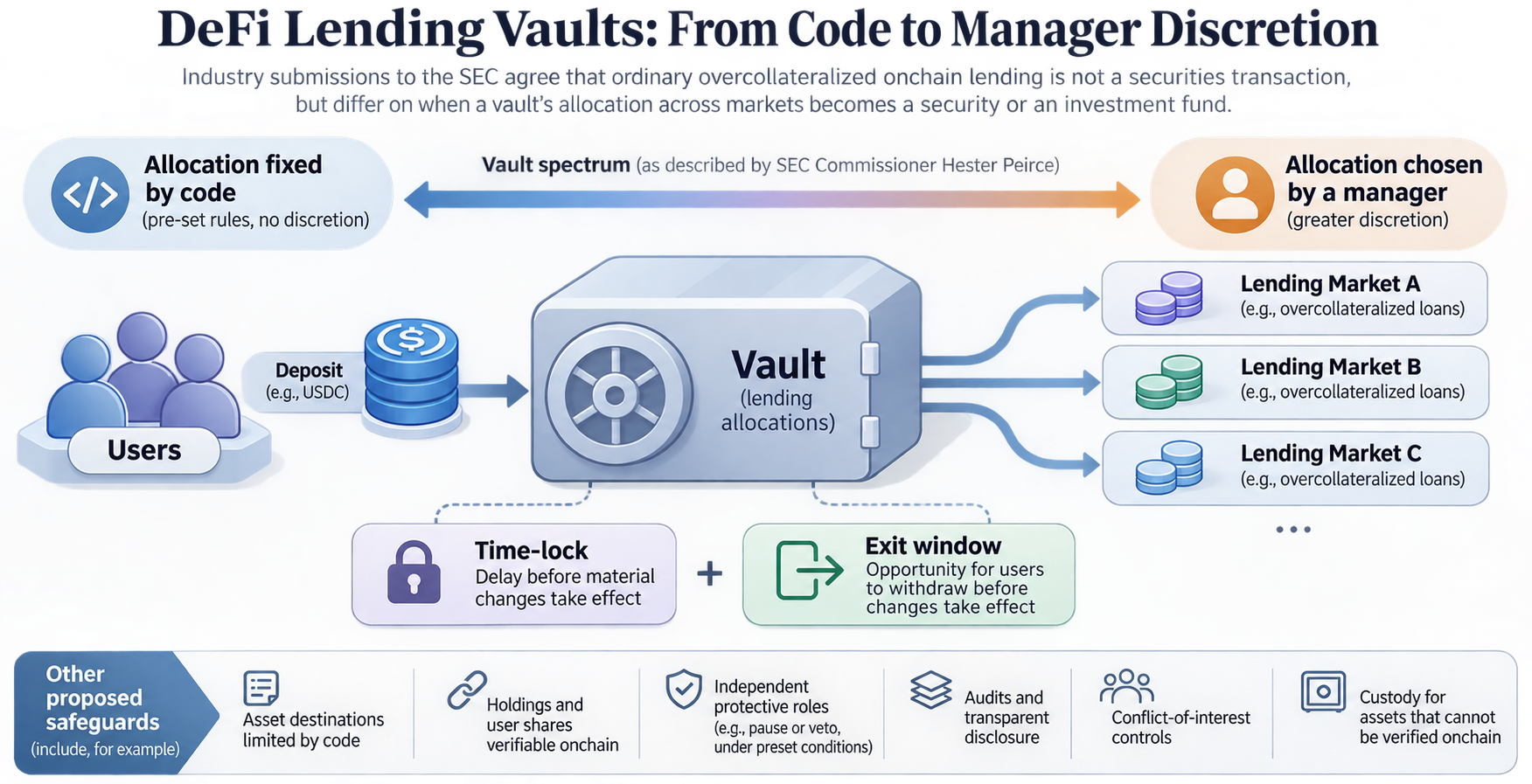
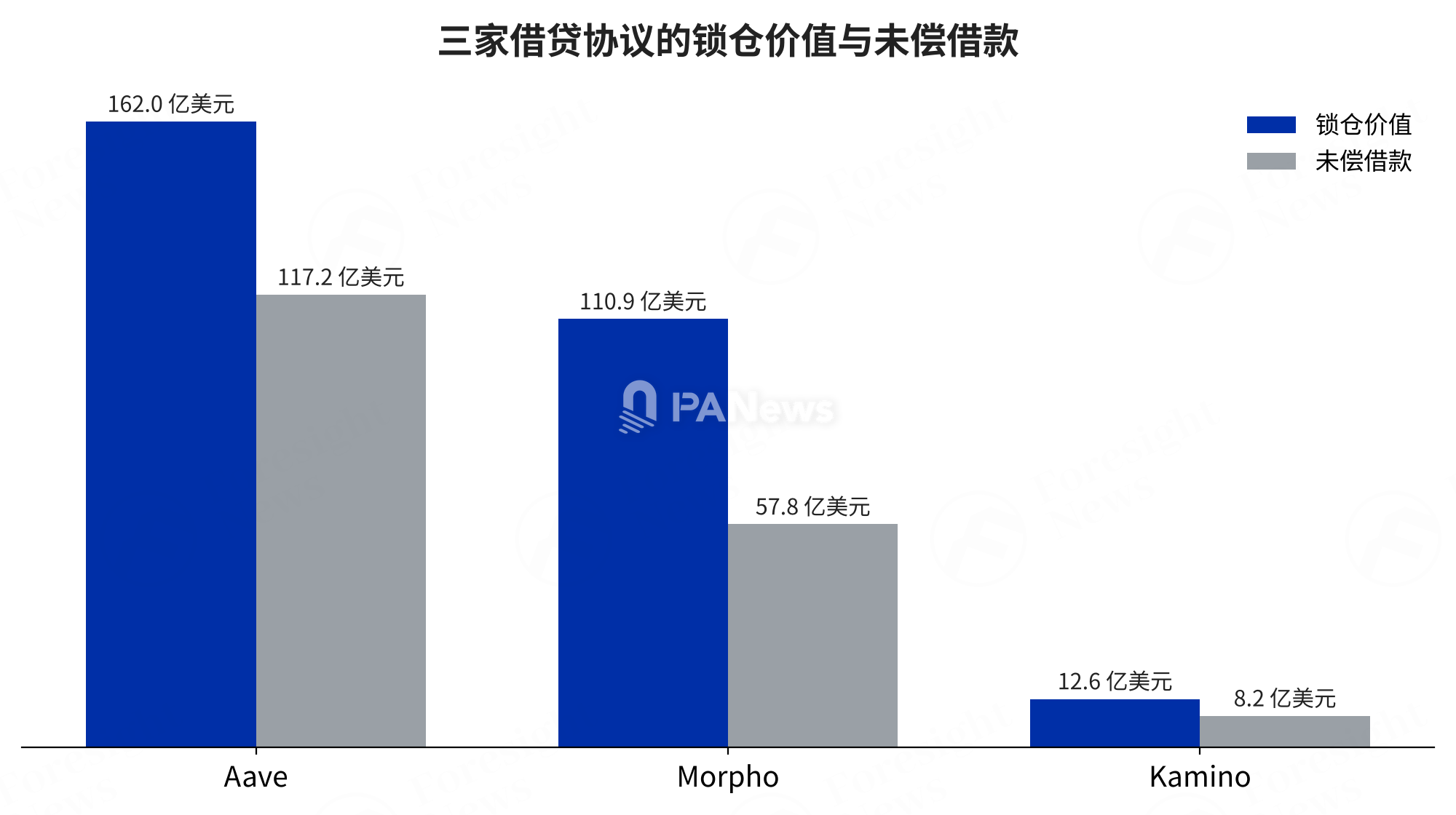
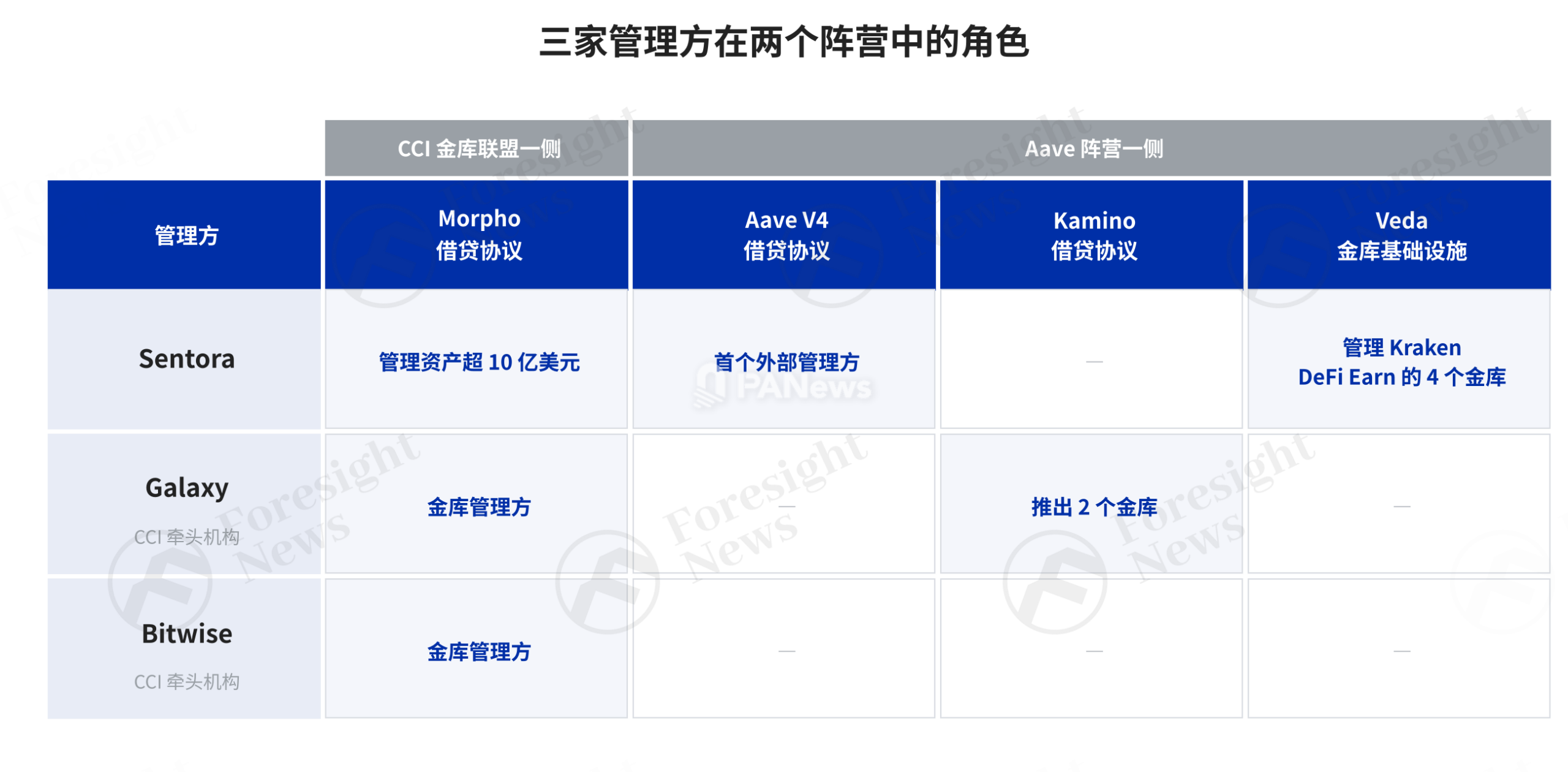
The distinction matters to the businesses behind the submissions. Aave’s V3 deposits largely remain in DAO-governed public pools, while Morpho’s model relies on managers to select lending markets for vaults. Kamino and Veda also support vault arrangements with managers. The proposals thus address both protocol governance and products in which managers allocate funds across markets.
The unresolved issue is the space between fixed code and unrestricted management. In a July 22 statement, SEC Commissioner Hester Peirce described vaults as a spectrum running from allocations determined entirely by code to those determined by another person’s discretion. As of the original November 6 report, the SEC had not publicly responded to the Aave group’s request for a meeting.